














|
$220 SAVE $130 = 37.0% Western Digital 16.0TB Western Digital Ultrastar DC HC550 3.5-in… in Storage: Hard Drives
|
|

|
|

|
Leica 28mm f/2 Summicron-M ASPH

Related: distortion, Leica, Leica 28mm f/2 Summicron-M ASPH, Leica Lenses, Leica M, Leica M lenses, Leica Summicron, Leica Summicron-M, optics, Zeiss ZM
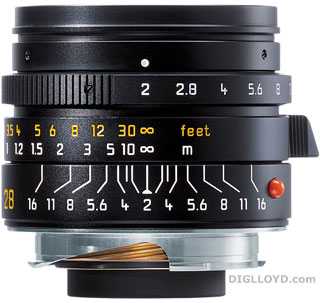
The Leica 28mm f/2 Summicron-M ASPH (about $3999) is an ultra high performance 28mm lens with an aspheric design and special glass types. It’s a perfect complement to the Zeiss ZM 35/2 Biogon on the Leica M9.
The 28mm f/2 ASPH is described this way:
Even in critical lighting situations, such as against-the-light exposures, disturbing reflections and stray light are practically eliminated”.
My field shooting finds nothing to contradict that statement. Indeed, I liked it enough that I obtained one for myself . That said, the 28/2.8 Elmarit-M ASPH provides equally good image quality in the f/4 - f/8 range; see the comparison in Guide to Leica.
Extensive high-resolution samples are available in Guide to Leica.
View near real-time pricing and availability for Zeiss ZM an Leica M lenses on the Leica M gear page.
Specifications
| Focal length: | 28.5mm |
| Aperture scale: | f/2 - f/16 |
| Angular field, diag./horiz./vert | 75/65/46° |
| Focusing range: | 0.7m - infinity |
| Coverage at close range: | 528mm X 793mm = 1:22 (can’t get very close) |
| Number of elements/groups: | 9 elements, 6 groups |
| Filter thread: | E 46 |
| Weight (as actually weight): | 253g 302g with hood and caps |
| Dimensions (with caps): | 40.8mm long, 53mm in diameter (without lens hood) |
Examples


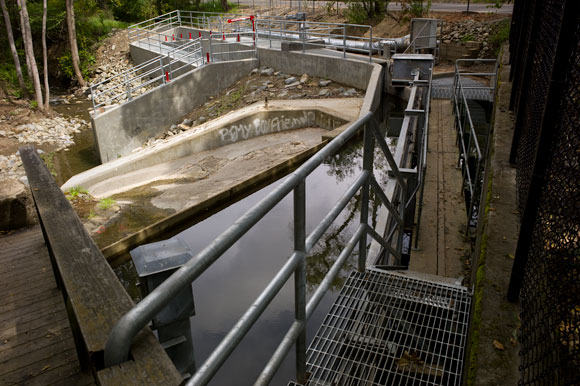
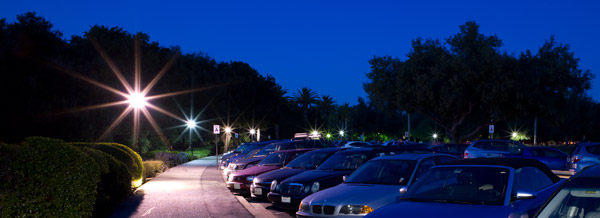
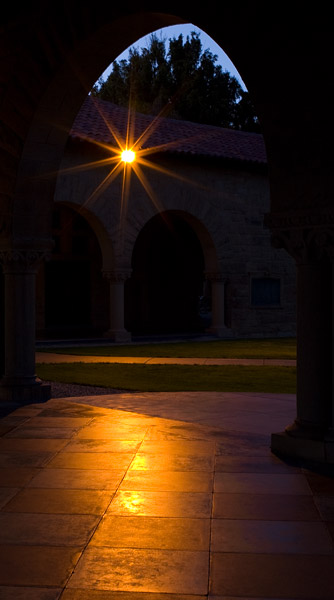
One thing the 28/2 ASPH does very nicely is beautiful 10-point sunstars

Widest built-in framing and focus
The 28mm focal length is the widest that can be shot using the built-in frame lines of the Leica M9, which to me is a major plus over a hot shot mounted viewfinder, which forces the time-wasting frame/focus/frame ad-nauseum dance.
With the 28mm, you can frame and focus with no viewfinder. Anything wider and you pay big bucks for the “optional” viewfinder (a bizarre claim), and the hassle along with it. But of course, wider is sometimes needed.
Distortion
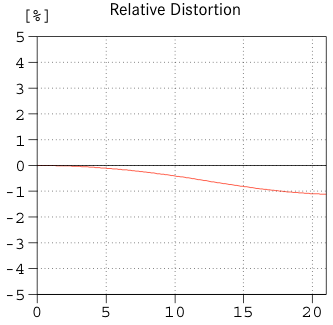
Distortion is relatively low for a 28mm lens, but shows up clearly on buildings or horizons. Yet one must realize few 28mm lenses have distortion this low.
MTF (contrast and sharpness)
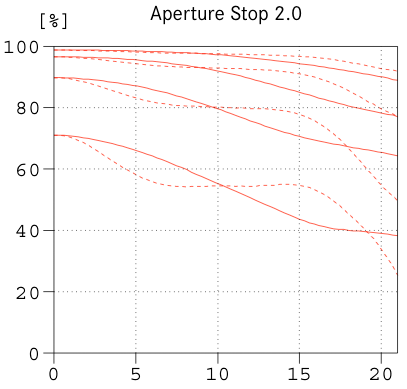
Performance is very high for a 28mm lens, and holds beautifully and gracefully to the corners. But at f/2, sharpness declines steadily to the edges and corners. While aperture f/2.8 improves upon f/2, it’s not until f/5.6 that some real “bite” develops.
Some astigmatism is present, but field curvature is minimal, a very nice plus when shooting planar subjects, such as buildings or groups of people.
Mouse over the apertures below to compare.
Aperture
Half-stop click-stops are marked in full stops. I prefer the clearly-marked 1/3 stop increments on the Zeiss ZM line. But it’s a moot point given that each brand has its own approach.
Composing
Though the 28mm focal length is harder than 35mm with the M9: frame lines are very wide, and one must consciously eye the edges when composing. Experience makes this second nature with practice, but it’s not immediate.
Ergonomics
The very effective rectangular lens shade blocks a good portion of the view, but its corner is cut out to allow some of the scene to be seen. Remove the lens shade and very little of the frame is obscured.
Focusing
I found it straightforward to focus the Leica 28/2 ASPH quite accurately using the rangefinder, for “3D” subjects, which is to say care is required and perfection elusive. But that is true of all all M lenses, the rangefinder mechanism isn’t completely up to the demands of an 18 megapixel sensor (or my eyes), and Leica badly needs Live View both for focus and framing.
Focusing and aperture rings sit right next to each other. The tab focus disambiguates the two, but in my view it is an ergonomic failure with too little fine control, much inferior to generous ribbed focusing collar of the Zeiss ZM series.

Seagate 22TB IronWolf Pro 7200 rpm SATA III 3.5" Internal NAS HDD (CMR)
SAVE $100